Canon EOS M6 Mark II: Testing Performance for Office & Studio Setups
Finding a camera that seamlessly transitions between high-resolution still photography, dedicated live streaming, and professional desktop video conferencing can quickly become complicated. The Canon EOS M6 Mark II enters this workspace conversation as an ultra-compact mirrorless body packing a dense 32.5-megapixel APS-C CMOS sensor, rapid continuous shooting speeds, and crisp 4K video recording. Creators looking…
By Robert Blair
8 min read
How we write these. Every price, stock status and specification here is read from the Amazon product listing, not from hardware we tested ourselves. Scores are out of 10, based on listed specifications and buyer feedback.


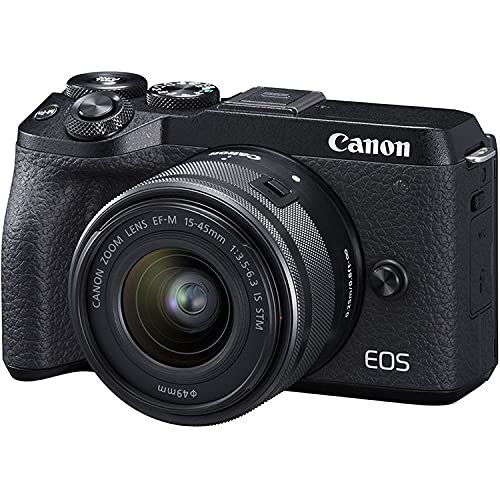
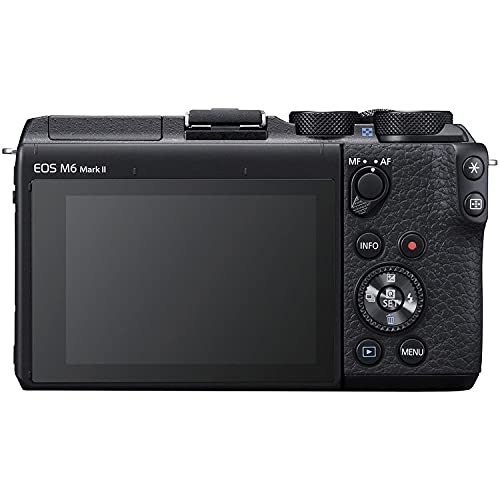
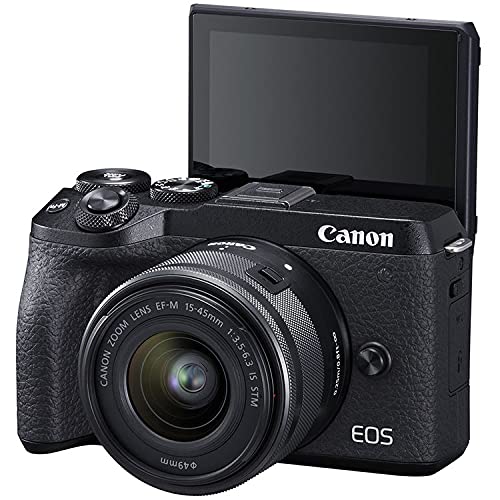
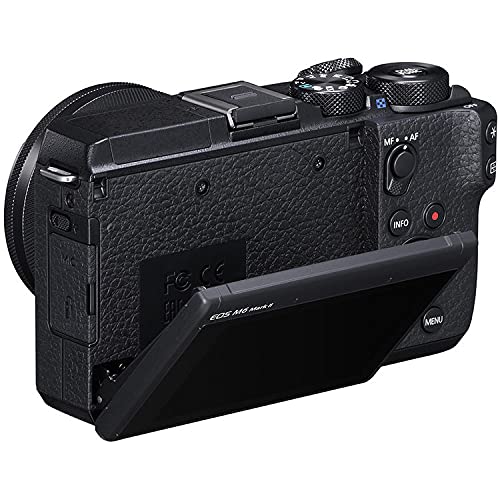
Product photos from the Amazon listing.
The product
Canon EOS M6 Mark II
Our score
9.6/10
Exceptional
Price not listed
- Sold by iPro Photo
Affiliate link. Price and stock come from the listing and change without notice.
As Amazon Associates, we earn from qualifying purchases. This means we may receive a small commission at no extra cost to you if you click through and make a purchase.
Finding a camera that seamlessly transitions between high-resolution still photography, dedicated live streaming, and professional desktop video conferencing can quickly become complicated. The Canon EOS M6 Mark II enters this workspace conversation as an ultra-compact mirrorless body packing a dense 32.5-megapixel APS-C CMOS sensor, rapid continuous shooting speeds, and crisp 4K video recording. Creators looking to enhance their visual presence often struggle with bulky DSLR hardware or underperforming integrated webcams, making a streamlined interchangeable-lens platform an appealing studio centerpiece.
Integrating this compact camera into an existing desk setup requires examining its physical footprint, continuous video capabilities, autofocus reliability, and overall workflow handling. This comprehensive review analyzes how the camera performs in an office studio environment, detailing its bundled optics, physical ports, thermal characteristics during extended video sessions, and overall utility for modern creators who demand crisp visuals without surrendering valuable workspace.
What You Get With the Canon EOS M6 Mark II
The retail package provides an all-in-one foundation tailored for creators seeking immediate deployment straight from the packaging, pairing the main camera body with useful production accessories.
In the box
- Canon EOS M6 Mark II mirrorless camera body in black
- Canon EF-M 15-45mm f/3.5-6.3 IS STM zoom lens
- Detachable electronic viewfinder (EVF) unit
- 64GB memory card
- Replacement secondary battery pack
- Dedicated protective camera carrying bag
- Built-in pop-up flash mechanism
Key Specifications
Specifications
- Image Sensor
- 32.5 Megapixel APS-C CMOS Sensor
- Lens Mount
- Canon EF-M
- Autofocus Points
- Dual Pixel CMOS AF with 5,481 Selectable Positions
- Continuous Shooting
- 14 fps Mechanical Tracking / 30 fps Raw Burst Mode
- Video Resolutions
- UHD 4K at 30p and Full HD at 120p
- Sensitivity
- ISO 100 to 25600
All 10 specifications
- Display
- 3.0-inch 180-degree Tilting Touchscreen LCD
- Viewfinder
- Auxiliary External Electronic Viewfinder
- Connectivity
- Integrated Wi-Fi and Bluetooth
- Kit Weight
- 2.0 pounds total package weight
Quoted from the product listing.
Desk Studio Mounting and Workspace Ergonomics
Desktop real estate is always at a premium in home studios and professional workstations. When positioning production hardware alongside monitors, studio microphones, and task lighting, camera bulk can quickly overwhelm the desk surface. Unlike traditional DSLR bodies such as the canon eos rebel t6, this mirrorless body maintains an exceptionally slim profile that mounts cleanly onto articulating desk arms, tabletop friction tripods, or monitor-bracket rigs without excessive sagging or clamp strain.
The physical layout of the camera is engineered for straightforward manipulation even when locked into a stationary mount. Its top dials allow users to cycle through exposure modes, adjust aperture values, and dial in exposure compensation without disrupting the camera angle. Because the electronic viewfinder is a detachable modular component rather than an integrated pentaprism housing, operators can remove it entirely to lower the camera profile, preventing the unit from obstructing secondary computer monitors or ambient lighting sources positioned directly behind the rig.
Framing and shot verification are equally critical during solo studio production. The 3.0-inch rear touchscreen tilts upward by 180 degrees, allowing creators to monitor framing, audio levels, and focus tracking while seated directly in front of the lens. This upward-flipping design keeps the sightline close to the optical axis, enabling natural eye contact during virtual presentations, webinars, and recorded tutorials without forcing the presenter to glance sideways at an off-axis monitor display.
Video Capabilities and Streaming Performance
Delivering high-definition visual assets for modern remote platforms demands robust internal video processing. The camera outputs uncropped UHD 4K video at 30 frames per second, ensuring that the full width of the APS-C sensor is utilized without altering the focal length of the attached glass. For studio spaces where distance between the desk and the back wall is limited, retaining the wide perspective of the bundled 15-45mm lens is vital for capturing a balanced, professional shot without pushing furniture out of the room.
While larger, heavier production cameras such as the canon eos r6 mark ii mirrorless camera provide broad full-frame capture for expansive commercial spaces, this APS-C mirrorless setup strikes an ideal compromise between sensor area and manageable physical hardware. The clean HDMI output option enables operators to route pristine, uncompressed video signals directly into external capture cards, software switchers, and streaming suites, eliminating on-screen menu icons for an unobstructed broadcast feed.
In addition to 4K capture, the camera offers Full HD 1080p recording at up to 120 frames per second for high-frame-rate slow-motion analysis. This capability serves studio creators who produce high-speed hardware teardowns, dynamic product b-roll, or mechanical demonstrations where fluid motion reveals details that standard 30-frame feeds miss entirely. The internal processing engine writes efficiently to the bundled 64GB storage card using standard MP4 formatting for quick timeline editing.
Autofocus Tracking and Eye Detection in Studio Workflows
Consistent, drift-free autofocus is essential for single-operator studio productions where manual focal adjustments during live broadcasts are impossible. The camera utilizes an advanced Dual Pixel CMOS AF system equipped with 5,481 selectable focus positions, spanning virtually the entire sensor frame. This extensive point coverage ensures that presenters can shift across their workspace, lean forward to emphasize a point, or reach across their desk without confusing the focusing algorithms.
The integrated Eye AF Servo tracking functions as a digital camera assistant, locking onto human eyes and maintaining sharp focus through continuous movement. When presenting detailed physical objects to an audience, the touchscreen interface permits immediate focal shifts; tapping an item brought close to the lens redirects focus instantly, and releasing it snaps the focal plane straight back to the presenter’s face with smooth, natural transitions that avoid jarring focal hunting.
Paired with the optical image stabilization built into the kit lens, the autofocus mechanism operates silently and smoothly. The STM stepping motor design within the 15-45mm lens prevents mechanical chatter from traveling through desk-mounted microphone boom arms, preserving the acoustic clarity of the audio track while maintaining tack-sharp tracking across varying lighting environments and subject distances.
Thermal Handling and Power Management for Long Sessions
Extended video calls, long-form webinars, and marathon live-streaming broadcasts place severe operational demands on compact digital cameras. The sensor and internal processing components generate noticeable heat when running continuous 4K video feeds. Because the chassis is compact, heat dissipation relies on ambient room airflow and metal internal structures, meaning adequate ventilation around the mounting location is necessary to avoid thermal throttling during multi-hour recording blocks.
Power delivery is another practical consideration for stationary desk setups. While the inclusion of a secondary replacement battery helps during field shoots, battery swapping during a live studio broadcast interrupts the stream. Creators dedicating this platform to permanent desk duty often invest in third-party continuous DC couplers to supply wall power directly into the battery chamber, ensuring the camera remains active through full working days without relying solely on lithium-ion pack cycles.
When planning a high-end office video infrastructure, evaluating modern hybrid releases like the canon r8 mark ii illustrates how sensor platforms handle extended streaming tasks. However, this compact APS-C solution provides an accessible, balanced footprint that delivers sharp, broadcast-grade video fidelity without demanding extensive cage rigging or complex external cooling modifications.
Canon EOS M6 Mark II Pros and Cons
Reasons to buy
- High-resolution 32.5MP APS-C CMOS sensor
- Dual Pixel CMOS AF with 5481 points
- Uncropped UHD 4K30p video capture
- 180-degree tilting touchscreen display
- Rapid 14 fps continuous burst shooting
- Detachable modular electronic viewfinder
Reasons to avoid
- Requires EF-M mount native lenses
- No AC power adapter included in bundle
- Compact body requires ventilation during long 4K sessions
Check Canon EOS M6 Mark II on Amazon
Is the Canon EOS M6 Mark II Worth It
Determining whether this mirrorless camera represents the right investment comes down to your studio workflow requirements and desktop space limitations. For content creators, educators, and professionals seeking an immediate jump in visual fidelity over consumer webcams, the camera provides an exceptional combination of a 32.5-megapixel sensor, snappy Dual Pixel autofocus, and uncropped 4K video in a remarkably lightweight frame.
The bundled hardware adds distinct functional value, providing an immediate starting kit that includes the wide-to-standard 15-45mm zoom lens, an external electronic viewfinder for outdoor photography, a 64GB memory card, and an extra battery. The kit addresses both desktop studio needs and mobile field shooting, functioning as a multi-purpose creative tool rather than a single-use streaming device.
However, users who exclusively require set-and-forget streaming hardware without ever taking stills or video on location might find the camera’s extensive 14 fps burst capabilities and advanced photography dials more than they require. If your daily routine involves a blend of crisp video calls, high-resolution product photography, and dynamic video recording, the camera delivers a versatile, high-performance platform that integrates seamlessly into a modern workspace.
FAQ
Does the Canon EOS M6 Mark II support uncropped 4K video recording?
Yes, the camera captures UHD 4K video at 30 frames per second using the entire width of its 32.5-megapixel APS-C sensor. This uncropped capture allows wide-angle lenses to maintain their natural field of view, making it easy to frame shots in tight studio spaces without experiencing focal crop multiplication.
What is the benefit of the detachable electronic viewfinder?
The detachable electronic viewfinder provides flexible ergonomics. When working at a desk setup, you can remove the viewfinder to reduce camera height and prevent visual blockage of computer monitors. When taking the camera outdoors for field photography, attaching the viewfinder allows accurate shot composition in bright sunlight.
How does the camera maintain focus during live presentations?
The camera employs Canon’s Dual Pixel CMOS AF system with 5,481 selectable focus points and integrated Eye AF Servo tracking. This technology identifies and locks onto the subject’s eyes, automatically maintaining tack-sharp focus as the presenter shifts, gestures, or moves within the frame.
What lens mount does this camera use?
The camera uses the native Canon EF-M lens mount. The included 15-45mm f/3.5-6.3 IS STM lens attaches directly to this mount, providing optical image stabilization and smooth stepping-motor autofocus designed for both stills and video capture.
Where these numbers come from
- 581reviews published
- 1,398products with a score
- 1,374products with listed features
- 84brands covered
Ratings, prices, stock and specifications are read from the Amazon product listing. We do not run lab tests of our own, so scores on this site are out of 10, based on listed specifications and buyer feedback, not a verdict from a test bench. Prices change without notice — check the listing before buying.


