Canon EF 50mm f/1.8 STM Review: Using It on EF-S Bodies
Shoppers looking to acquire a dedicated canon efs 50mm lens are often met with confusion because Canon never produced a prime lens carrying the native EF-S badge at this specific focal length. Instead, creators and home studio operators pair their crop-sensor bodies with the Canon EF 50mm f/1.8 STM, a standard full-frame prime engineered with…
By Robert Blair
10 min read
How we write these. Every price, stock status and specification here is read from the Amazon product listing, not from hardware we tested ourselves. Scores are out of 10, based on listed specifications and buyer feedback.


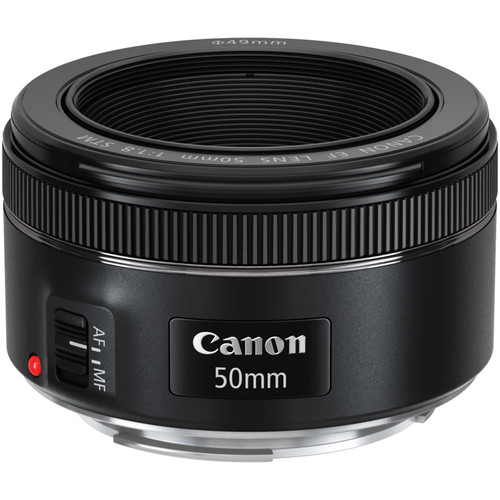
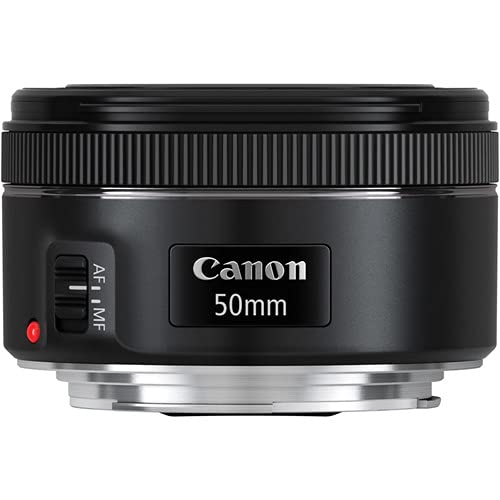
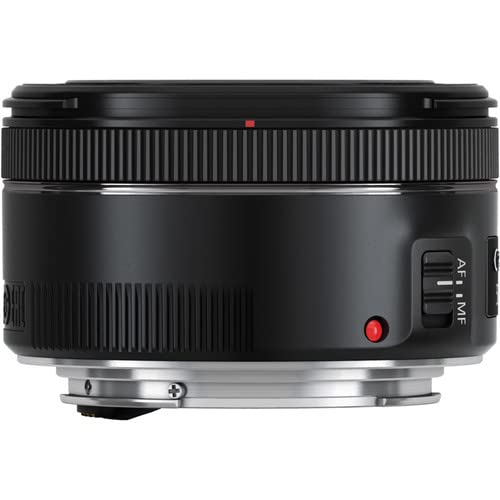
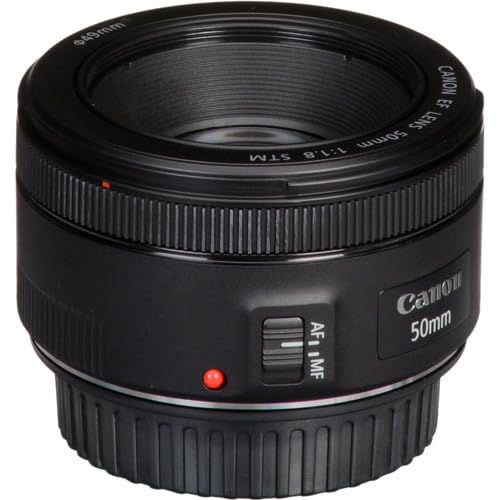
Product photos from the Amazon listing.
The product
Canon EF 50mm f/1.8 STM
Our score
9.4/10
Exceptional
Price not listed
- Sold by iPro Photo
Affiliate link. Price and stock come from the listing and change without notice.
As Amazon Associates, we earn from qualifying purchases. This means we may receive a small commission at no extra cost to you if you click through and make a purchase.
Shoppers looking to acquire a dedicated canon efs 50mm lens are often met with confusion because Canon never produced a prime lens carrying the native EF-S badge at this specific focal length. Instead, creators and home studio operators pair their crop-sensor bodies with the Canon EF 50mm f/1.8 STM, a standard full-frame prime engineered with full electronic and mechanical compatibility for EF-S lens mounts. When mounted directly onto an APS-C DSLR body, the camera sensor applies an internal 1.6x crop factor, transforming the physical 50mm optical structure into an effective 80mm equivalent field of view. This shift makes the compact optic operate not as a standard wide normal lens, but rather as a focused, short telephoto tool tailored for tight framing, desktop presentations, and isolated subject photography.
Evaluating this lens for an office desk environment or a daily content production station requires looking closely at how that narrower perspective interacts with limited indoor real estate. While the optical design delivers exceptional clarity, a wide maximum aperture, and modern motor mechanics, the physical distance needed between your desk mount and your sitting position determines whether it simplifies or complicates your workflow. In the sections below, we analyze the bundled hardware package, examine the technical parameters, assess everyday crop-sensor framing requirements, test indoor ambient lighting response, examine video tracking capabilities, and outline who benefits most from adding this prime optic to an APS-C workstation.
What You Get With the Canon EF 50mm f/1.8 STM
The retail package reviewed here combines the primary prime lens with supplementary field accessories to protect the optic and facilitate immediate media storage.
In the box
- Canon EF 50mm f/1.8 STM prime lens with authorized distribution credentials
- Dedicated padded shoulder storage bag for transporting camera bodies and optics
- High-capacity 64GB memory card formatted for continuous capture
- Front and rear protective lens caps designed for secure bayonet connection
- Durable solid metal lens mount engineered for repeated attachment cycles
- Seven-blade circular aperture assembly designed for uniform background rendering
- Canon Super Spectra optical coating applied to suppress stray reflection and flare
- Stepping motor focusing assembly offering integrated full-time manual focus override
Key Specifications
Specifications
- Model Identifier
- Canon EF 50mm f/1.8 STM (0570C002)
- Focal Length Value
- 50 millimeters (80mm full-frame optical equivalent on APS-C)
- Aperture Rating
- f/1.8 maximum aperture with 7 circular diaphragm blades
- Mount Compatibility
- Native Canon EF and Canon EF-S mounts
- Autofocus Drive Mechanism
- STM stepping motor with full-time manual override ring
- Optical Surface Treatment
- Super Spectra multi-layer coating
All 10 specifications
- Stabilization Hardware
- No optical image stabilization integrated
- Environmental Protection
- Not water resistant
- Exposure Management
- Automatic aperture control with camera body communication
- Packaged Accessories
- Shoulder bag and 64GB memory card
Quoted from the product listing.
Framing and Working Distance on Crop Sensors
The defining operational reality of using the Canon 50mm on APS-C sensors is the dramatic narrowing of the optical angle. On a standard full-frame camera, a 50mm focal length approximates human vision, capturing both the central subject and an ample amount of context. However, when mounted on an EF-S camera body, the physical sensor dimensions measure approximately 22.3 by 14.9 millimeters, which records only the central portion of the lens projection. This results in an effective 80mm focal view, transforming the prime into a dedicated telephoto perspective that requires intentional spatial planning inside smaller rooms and offices.
For individuals configuring a Canon 50mm f1.8 desk setup, this 80mm crop directly impacts where the camera must be physically mounted relative to your seat. If your camera sits on a desktop tripod or monitor mount clamped just two feet away from your keyboard, the frame will capture only your nose and eyes rather than an agreeable head-and-shoulders composition. To achieve a balanced corporate presentation or streaming framing, your camera body must be positioned roughly five to seven feet away from your chair. Those who maintain an established workstation with dedicated backspace can also compare how this focal length translates across newer systems by reviewing our guide to the canon rf 50mm mirrorless alternative.
When physical space allows for that extended distance, the telephoto compression works distinctly in your favor. It completely eliminates the slight facial distortion that frequently occurs when wide-angle desktop webcams sit inches from a user. Cheeks, noses, and foreheads appear naturally proportioned, presenting a clean, polished visual profile during corporate video conferences. Furthermore, the tighter field of view naturally crops out disorganized office peripherals, messy bookshelves, or unwanted background clutter that would otherwise remain visible when using wider zoom lenses.
Low Light and Background Blur for Workspaces
Office environments frequently suffer from poor ambient overhead lighting, leading to noisy, grainy camera feeds when small-sensor webcams or standard slow kit zooms are used. The bright maximum f/1.8 aperture of this prime lens solves that problem by admitting a massive volume of light onto the camera sensor. In practical terms for Canon 50mm f1.8 low light shooting, opening the diaphragm all the way allows you to lower camera ISO levels significantly, maintaining clean skin tones, sharp text on presentation items, and crisp shadows even in a workspace illuminated only by desk lamps or diffused window fixtures.
Beyond light gathering, utilizing the Canon 50mm f1.8 stm for portraits and desktop talking-head videos provides dramatic subject isolation. The combination of a fast f/1.8 aperture, an 80mm equivalent focal length, and a seven-blade circular diaphragm produces smooth, pleasing background blur. Unlike software-generated background blur filters that exhibit harsh artificial edges around hair and shoulders, this optical blur occurs naturally, separating your silhouette cleanly from the room behind you while keeping edges completely organic.
Managing this narrow depth of field requires awareness, as shooting wide open at f/1.8 leaves a focal plane only an inch or two deep at close portrait distances. Leaning forward or backward in an office task chair can occasionally cause your eyes to drift outside the razor-thin plane of sharp focus. Stopping the lens down slightly to f/2.2 or f/2.8 retains pronounced background blur while expanding the focal margin enough to accommodate natural body movement. When tighter framing or greater distance flexibility is required outside prime optics, telephoto zooms such as the ef-s 55-250mm f/4-5.6 is stm offer extended reach, though they cannot replicate the large f/1.8 physical aperture.
Autofocus Operation and Video Recording Performance
Smooth autofocus tracking during live video feeds and recorded presentations is critical for anyone running automated production setups. This unit incorporates Canon 50mm stm autofocus technology, which replaces traditional loud mechanical micromotors with a modern stepping motor assembly. When paired with a camera body featuring Dual Pixel CMOS autofocus, the stepping motor glides smoothly from subject to subject without the jarring snap or hunting motion common to older prime designs. Focus transitions appear gradual and deliberate, mimicking professional broadcast camera adjustments.
Sound isolation is another major consideration when employing the Canon 50mm f1.8 video recording capabilities alongside nearby desk microphones. The STM mechanism operates in near silence, preventing drive whines and grinding noises from transferring into camera-mounted shotgun microphones or sensitive desktop condenser mics. Furthermore, the inclusion of full-time manual focus override allows you to fine-tune focus points by hand via the electronic focus ring without needing to flip the physical AF/MF toggle switch on the lens barrel.
A crucial technical limitation highlighted in the official product specifications is that the lens incorporates no optical image stabilization hardware. For users who permanently position their camera on a desk rig, wall mount, or sturdy studio tripod, the lack of stabilization has zero impact on video stability. However, if you attempt to use this 80mm equivalent perspective for handheld recording or walk-and-talk video capture, the lack of optical stabilization combined with the magnified telephoto focal length will make camera shake very noticeable. If handheld run-and-gun recording across varied focal ranges is your priority, checking out our deep dive on the canon rf-s 18-150mm f/3.5-6.3 is stm highlights how stabilized zoom options behave under mobile conditions.
Physical Handling and Studio Durability
Examining the structural details of the Canon ef 50mm f 1.8 stm specs reveals substantial physical improvements over prior entry-level iterations. The most critical mechanical upgrade is the inclusion of a solid metal lens mount, which guarantees lasting durability and tight tolerances across repeated mounting cycles on metal EF and EF-S chassis. Older budget primes often relied on plastic bayonets that wore down or cracked under heavy field use, making this robust metal assembly a welcome upgrade for long-term daily service.
The external barrel construction is built from durable composite plastics, keeping overall weight remarkably low while maintaining a compact footprint that will not strain desk arms or small ball heads. The manual focusing ring has been relocated toward the front of the barrel, providing clean tactile separation from the body mount and allowing intuitive manual adjustment during live desktop streams. Integrated Super Spectra multi-coatings on the front and rear glass elements actively repel optical reflections, maintaining strong contrast and color neutrality even when harsh desk ring lights or monitor lamps shine directly across the front glass element.
Buyers should remain aware of environmental limits, as the official documentation confirms this lens is not water resistant. If your daily routine involves shooting outdoors in drizzling rain or working in damp environments, external protective gear or weather-sealed bodies will be necessary. For desk setups, office environments, and clean indoor studios, however, this non-sealed construction presents no vulnerability. The bundled shoulder storage bag provides secure padding during office commutes, while the included 64GB card supplies ample high-speed capacity for capturing long 1080p and 4K recording sessions without requiring immediate offloads.
Canon EF 50mm f/1.8 STM Pros and Cons
Reasons to buy
- Bright f/1.8 aperture for dim office environments
- Smooth and quiet STM stepping autofocus motor
- Durable metal lens mount construction
- Seven-blade circular diaphragm for clean background blur
- Compact and lightweight barrel footprint
- Super Spectra coating minimizes ghosting and flare
Reasons to avoid
- No optical image stabilization included
- Narrow 80mm equivalent field of view on APS-C
- Not water resistant against moisture
Check Canon EF 50mm f/1.8 STM on Amazon
Is the Canon EF 50mm f/1.8 STM Worth It
Determining whether this prime optic represents the right purchase depends entirely on your workspace dimensions and production objectives. If you need a lens that transforms a standard EF-S crop-sensor DSLR into a dedicated talking-head camera or premium portrait tool, this model delivers extraordinary value. The combination of an f/1.8 aperture, an effective 80mm field of view, and a quiet STM motor produces professional-grade subject separation and low-noise video that standard kit zooms simply cannot match.
Conversely, shoppers asking is Canon 50mm f1.8 worth it who work inside cramped office alcoves with less than four feet between the desk and the back wall may find the 80mm equivalent crop too constricting. In very shallow spaces, framing your chest and face simultaneously becomes physically impossible without relocating the camera setup further away. For those users, a wider prime lens or a fast standard zoom is more practical for everyday video call duties.
Ultimately, for creators with adequate room depth who want crisp image capture, creamy background blur, and dependable indoor light gathering, the package hits the sweet spot. It elevates visual quality across conference calls, streaming platforms, and product demonstration photography without burdening your studio rig with excessive weight or mechanical complexity.
FAQ
Can you mount an EF lens directly on a Canon EF-S camera?
Yes. Canon EF lenses are fully compatible with Canon EF-S camera mounts without requiring any physical or electronic adapters. The lens bayonet locks securely into place, maintaining complete electronic control of aperture settings, autofocus tracking, and exposure metering data.
Why do people search for a canon efs 50mm lens if it does not exist?
Photographers frequently search for an EF-S version because they own an APS-C crop-sensor DSLR and assume each sensor format requires an exclusive lens lineup. Because Canon engineered all standard EF primes to mount seamlessly on EF-S cameras, there was never a technical need for a dedicated EF-S 50mm lens.
Does the Canon EF 50mm f/1.8 STM have optical image stabilization?
No. The specifications confirm that this lens has no optical image stabilization. When shooting stills in low light or recording video, maintaining steady footage requires either a fast shutter speed or mounting the camera on a solid tripod, desk clamp, or studio arm.
How far back must the camera sit for desk video calls?
Because the APS-C sensor applies a 1.6x multiplier that makes this optic behave like an 80mm telephoto lens, the camera should be placed approximately five to seven feet away from the presenter to capture a standard head-and-shoulders composition.
Where these numbers come from
- 581reviews published
- 1,398products with a score
- 1,374products with listed features
- 84brands covered
Ratings, prices, stock and specifications are read from the Amazon product listing. We do not run lab tests of our own, so scores on this site are out of 10, based on listed specifications and buyer feedback, not a verdict from a test bench. Prices change without notice — check the listing before buying.


