Panasonic Lumix DMC-L10 Review: Classic Desktop Studio Tool
For professionals evaluating whether a classic digital single-lens reflex system can fulfill desktop studio documentation and tabletop product capture, the Panasonic Lumix DMC-L10 offers an interesting hardware configuration. Paired with a Leica D Vario-Elmar 14-50mm f/3.8-5.6 MEGA O.I.S. lens, this camera was built to merge traditional optical SLR performance with electronic live-view framing. Setting up…
By Robert Blair
9 min read
How we write these. Every figure here — rating, price, stock and specification — is read from the Amazon product listing, not from hardware we tested ourselves. Ratings are the average left by buyers.


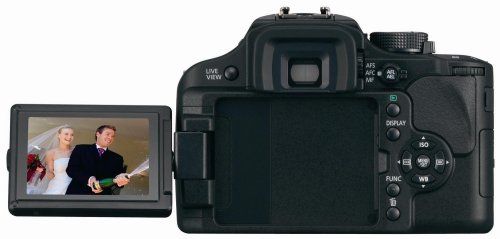
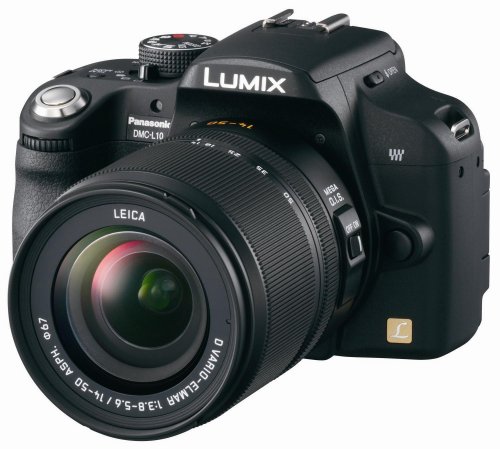
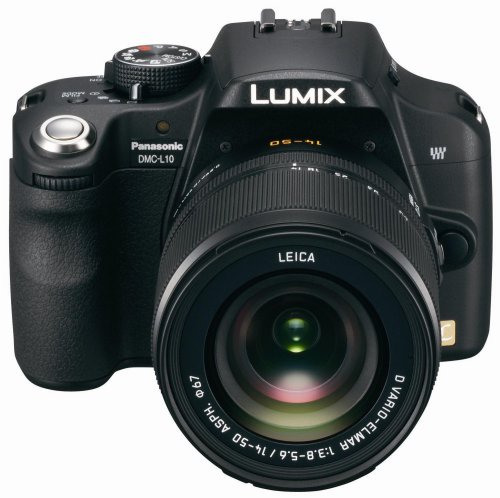
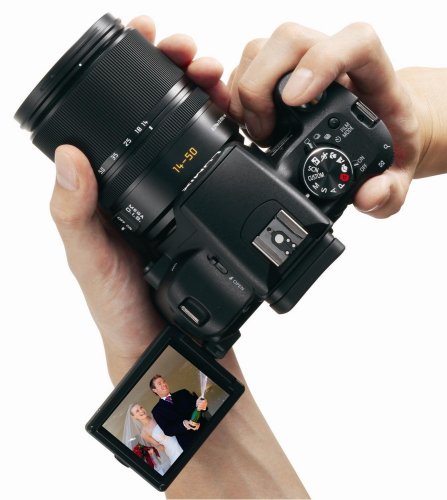
Product photos from the Amazon listing.
The product
Panasonic Lumix DMC-L10
Amazon buyer rating
3.8/5
From only 3 ratings — too few to call it good or bad.
Price not listed
- Prime eligible
- Sold by Electronics Basket
Affiliate link. Price and stock come from the listing and change without notice.
As Amazon Associates, we earn from qualifying purchases. This means we may receive a small commission at no extra cost to you if you click through and make a purchase.
For professionals evaluating whether a classic digital single-lens reflex system can fulfill desktop studio documentation and tabletop product capture, the Panasonic Lumix DMC-L10 offers an interesting hardware configuration. Paired with a Leica D Vario-Elmar 14-50mm f/3.8-5.6 MEGA O.I.S. lens, this camera was built to merge traditional optical SLR performance with electronic live-view framing. Setting up a dedicated capture station above a workbench requires reliable optical quality, stable mounting, and flexible viewing angles for overhead flat-lays. Evaluating how this kit handles the physical demands of benchtop documentation helps determine if its imaging technology matches modern workspace needs.
This panasonic dmc-l10 review investigates the camera from the perspective of dedicated desktop utility, assessing its rotating screen, optical stabilization, exposure automation, and overall ergonomics. We analyze the core panasonic l10 camera specs to see how its 10.1-megapixel Four Thirds sensor performs when producing catalog images and bench records. Across the following sections, you will find an overview of included equipment, a structured specification reference, an examination of workspace handling, an evaluation of the bundled Leica lens, and a practical verdict detailing which desk workflows this camera reliably supports.
What You Get With the Panasonic Lumix DMC-L10
The standard camera kit provides a complete capture package focused around the primary SLR body and premium optical glass. Based directly on the manufacturer listing, the retail bundle provides the foundational hardware needed to begin desktop still photography immediately without requiring separate lens purchases.
In the box
- Panasonic Lumix DMC-L10 digital single-lens reflex camera body in matte black
- Leica D Vario-Elmar 14-50mm f/3.8-5.6 MEGA O.I.S. standard zoom lens
- 2.5-inch Live View LCD monitor capable of 270-degree rotation
- Supersonic Wave Filter system for automatic sensor dust reduction
- Built-in pop-up automatic camera flash unit
- Eye-level penta-dach mirror optical viewfinder
- Face Detection firmware capable of recognizing up to 15 faces simultaneously
Key Specifications
Specifications
- Camera Model
- Panasonic Lumix DMC-L10
- Sensor Resolution
- 10.1 megapixels effective
- Sensor Format and Size
- CCD / 4/3 format (17.3 x 13 mm)
- Included Lens
- Leica D Vario-Elmar 14-50mm f/3.8-5.6 MEGA O.I.S.
- Lens Mount Compatibility
- Micro Four Thirds (per listing specification)
- Display Monitor
- 2.5-inch Live View LCD with 270-degree rotation
All 10 specifications
- Image Stabilization
- Optical (MEGA O.I.S. in lens)
- Viewfinder Type
- Eye-level penta-dach mirror
- Capture File Formats
- JPEG, RAW
- Total Item Weight
- 4.7 pounds
Quoted from the product listing.
Desk Studio Utility and the Rotating Live View Screen
Integrating the panasonic l10 for desk studio work relies heavily on the flexibility of its rear monitor. The panasonic l10 rotating screen swings outward and articulates across 270 degrees, providing direct line-of-sight monitoring whether the camera is clamped low over a desktop or suspended on a vertical copy stand. When cataloging circuit boards, flat artwork, or mechanical components from directly overhead, peering through a fixed optical viewfinder is ergonomically impossible. The panasonic l10 live view capability transfers the optical feed directly to the electronic display, allowing operators to verify composition and monitor arrangements comfortably from an office chair.
Unlike modern video-centric options such as the panasonic lumix g100, which rely entirely on mirrorless electronic architectures, the DMC-L10 retains a physical mirror mechanism alongside its electronic preview. This dual-monitoring design allows users to switch between the optical penta-dach mirror viewfinder for eye-level handheld framing and the articulated LCD screen for locked-down desktop configurations. The mechanical articulation of the monitor holds its tilt angle reliably during long documentation sessions where screen drift would compromise framing accuracy.
The primary constraint of this monitor design stems from its 2.5-inch display diagonal. By current production standards, a 2.5-inch panel provides modest screen area for inspecting ultra-fine focus on intricate textures. While checking general layout and light balance is straightforward, critical focus checks on fine text often require reviewing files on a computer monitor. Nevertheless, for standard bench framing and overhead alignment, the rotating panel significantly reduces physical neck strain compared to rigid camera screens.
Optical Performance with the Leica Kit Lens
A defining asset of this imaging bundle is the panasonic l10 leica lens included in the box. The Leica D Vario-Elmar 14-50mm f/3.8-5.6 MEGA O.I.S. lens covers a 35mm-equivalent focal range of 28mm to 100mm on the Four Thirds format. This versatile zoom range spans from moderate wide-angle coverage suitable for documenting an entire workstation down to short telephoto framing ideal for isolating individual tools or product details without distortion. The high optical standards associated with the Leica optical formulation deliver consistent sharpness across the frame, contributing directly to clean image fidelity.
The inclusion of Panasonic’s MEGA O.I.S. optical image stabilization within the lens barrel serves as an important safeguard against camera shake. Even within a dedicated desk environment, operators frequently lift the camera to capture quick handheld perspective shots. In typical ambient office illumination, shutter speeds can slow enough to introduce handheld blur. The optical stabilization helps counter these slight hand tremors, preserving crisp edges and legibility on small component labels without strictly requiring a locked tripod for every single shot.
However, the lens features a variable maximum aperture ranging from f/3.8 at the 14mm wide setting down to f/5.6 at the 50mm telephoto reach. In a home office or workshop lit only by standard fixtures, an f/5.6 aperture restricts light gathering considerably when zoomed in. To maximize the panasonic l10 image quality, users should supplement their desk studio with dedicated desktop LED lamps. Adequate workspace illumination ensures the lens can operate around its optical sweet spot without forcing slow shutter speeds or noisy sensitivity levels.
Physical Handling and Studio Desk Setup
Executing a reliable panasonic l10 setup requires careful planning around the unit’s substantial physical presence. The manufacturer listing notes an item weight of 4.7 pounds for the complete package, establishing this lumix dmc-l10 dslr as a heavy piece of studio equipment. Standard desktop smartphone mounts or lightweight plastic gooseneck arms cannot support this weight class. Setting up this camera over a desk requires a heavy-duty articulated steel desk clamp, a dedicated studio copy stand, or a robust tabletop tripod with a solid locking ball head to prevent sagging during operation.
While shooters accustomed to compact travel tools like the lumix lx100 ii might find the physical mass of the L10 formidable, that weight brings structural rigidity and tactile control. The deep ergonomic right-hand grip allows for a confident hold when moving the camera between desk mounts. Furthermore, the exterior features dedicated dials and physical mode selectors, allowing users to switch capture modes and exposure settings quickly without navigating nested menus. Tactile physical controls allow faster operational changes during active bench workflows.
Environmental protection within a workshop is bolstered by the built-in Supersonic Wave Filter dust reduction system. In environments where airborne paper lint, crafting dust, or workshop debris are present, particles inevitably threaten exposed camera sensors. The Supersonic Wave Filter vibrates the sensor glass at ultrasonic frequencies upon startup, effectively dislodging contaminants before they adhere. For desk installations where the camera remains mounted over extended periods, this dust prevention mechanism ensures clean frames and eliminates tedious digital spot cleaning.
Sensor Performance and Exposure Control
The imaging core of the camera relies on a 10.1-megapixel Four Thirds sensor. According to the manufacturer listing, this 10.1-megapixel resolution captures sufficient detail to produce photo-quality prints measuring up to 18 x 24 inches. For modern workspace documentation, cataloging inventory, or publishing web-based retail imagery, 10.1 megapixels provides ample file resolution for clear document archiving and web display. While commercial studio flagships such as the lumix s1 ii cater to extreme cropping demands, the L10 provides dependable clarity for tabletop documentation that lives primarily online.
Image output flexibility is supported through both JPEG and uncompressed RAW recording options. Desk operators who prefer rapid archiving can utilize direct JPEG output, leveraging built-in exposure scene modes such as Macro, Food, Portrait, Scenery, and Sunset. The dedicated Macro mode is particularly beneficial for desk capture, optimizing tone curves and contrast for close-up documentation of objects. For projects demanding exact color balance, shooting in RAW preserves complete uncompressed sensor data, giving operators full latitude in desktop editing software to adjust white balance and exposure parameters.
Exposure consistency is supported by automated features including Face Detection and Intelligent ISO Control. The Face Detection system can identify, focus on, and balance exposure for up to 15 human faces at once, which proves helpful when documenting collaborative craft steps or team workshops. Intelligent ISO Control detects motion within the scene and adjusts sensor sensitivity accordingly to eliminate subject blur. While controlled desktop studios yield the cleanest image files when ISO is locked manually, these automated modes provide reliable support when handling changing workspace conditions.
Panasonic Lumix DMC-L10 Pros and Cons
Reasons to buy
- Leica D Vario-Elmar 14-50mm lens included
- 270-degree rotating 2.5-inch Live View LCD
- Built-in MEGA O.I.S. optical image stabilization
- Supersonic Wave Filter sensor dust reduction
- Face Detection tracks up to 15 subjects
Reasons to avoid
- Substantial total package weight at 4.7 pounds
- Modest 10.1-megapixel still sensor resolution
- Variable maximum aperture reaching f/5.6 at telephoto
Check Panasonic Lumix DMC-L10 on Amazon
Is the Panasonic Lumix DMC-L10 Worth It
Answering whether is panasonic l10 worth it depends on the operational demands of your desk setup and your comfort with legacy digital equipment. If you require an economical, dedicated tabletop camera system that stays permanently mounted to document physical crafts, inventory items, or paperwork, the DMC-L10 delivers practical value. The 270-degree rotating LCD provides genuine physical convenience for overhead angles, while the bundled Leica D Vario-Elmar 14-50mm lens provides optical resolving power and mechanical image stabilization that surpass generic entry-level kit lenses.
However, users who need modern digital convenience, rapid connectivity, or high-speed autofocus will encounter clear limitations. As a legacy DSLR design, its Live View autofocus speeds are noticeably deliberate compared to contemporary mirrorless systems, and its 4.7-pound weight demands heavy-duty desk mounting hardware. Furthermore, if your workspace workflow relies on direct USB webcam streaming, wireless file transfer, or ultra-high resolutions for aggressive cropping, this camera will feel dated compared to modern capture devices.
For creators and desk workers who prioritize optical quality, physical controls, and a dependable swiveling screen within an affordable, dedicated photography setup, the Panasonic Lumix DMC-L10 serves as a reliable tool. When paired with consistent desktop lighting and a sturdy mount, it delivers clean, professional documentation images without requiring complex software configurations.
FAQ
Does the Panasonic Lumix DMC-L10 record high-definition video?
Although the technical specifications in the listing state a video resolution of 2160p, the manufacturer description positions the Panasonic Lumix DMC-L10 primarily as a digital single-lens reflex camera designed for still photography. Users seeking modern video streaming or workspace vlogging should look toward dedicated video-oriented hybrid cameras.
What type of lens is included in the Panasonic Lumix DMC-L10 package?
The kit includes the Leica D Vario-Elmar 14-50mm f/3.8-5.6 MEGA O.I.S. lens. This lens provides an effective 35mm focal range equivalent of 28-100mm on the Four Thirds format and incorporates optical image stabilization to minimize the effects of hand shake during shooting.
Does the camera support uncompressed RAW file capture?
Yes, the camera records both RAW and JPEG file formats. Capturing in RAW allows desktop photographers to preserve complete image data, enabling precise post-processing adjustments to white balance, exposure, and color fidelity in desktop editing software.
How does the Supersonic Wave Filter protect the sensor from workspace dust?
The Supersonic Wave Filter is an automated dust reduction system that vibrates the sensor filter at ultrasonic frequencies. This vibration shakes loose dust particles and airborne debris that enter the camera body, preventing them from adhering to the sensor and creating spots on your tabletop images.
What buyers wrote
Quoted word for word from Amazon reviews. We did not edit them.
Panasonic DMC-L10 10.1MP Digital SLR Camera with Leica D Vario-Elmar 14-50mm f/3.8-5.6 Mega OIS LensI bought this camera because of the swing out viewfinder. It is a jewel of a camera. The first pictures I took few closeups of some flowers. The results were stunning.I am…
I am a 'collector' of dslr cameras. I have just about every panasonic lumix camera available and quite a few canons, sonys, and nikons. This camera, by far, is my favorite. It is easy to handle, easy to use, totally stupid proof, and the pictures come…
Where these numbers come from
- 192reviews published
- 1,398products with a buyer rating
- 1,374products with listed features
- 84brands covered
Ratings, prices, stock and specifications are read from the Amazon product listing. We do not run lab tests of our own, so a score on this site is the average rating left by buyers, not a verdict from a test bench. Prices change without notice — check the listing before buying.


